About the Charter
The IPC was founded by Miles Craig, a spiritual, Canadian citizen living in Victoria, British Columbia, Canada, with a background in business and philanthropy with a Vision of Creating World Unity and Peace.
Miles’ concern for wars throughout the world, in particular the wars in Ukraine and the Middle East, led to his belief that there is a critical need for a new peace organization and new international peace charter encompassing all 198 countries of the world.
This International Peace Charter is born from a collective vision: a world where cooperation transcends conflict, dialogue replaces division, and unity fosters sustainable prosperity for all.
Rooted in shared values of dignity, justice, and mutual respect, this Charter seeks to inspire individuals, governments, and organizations to work together in building bridges of understanding. We encourage those concerned to establish practical commitments and inclusive policies, to transform aspirations for peace into tangible actions, and to empower every voice to contribute to a safer, more harmonious future.
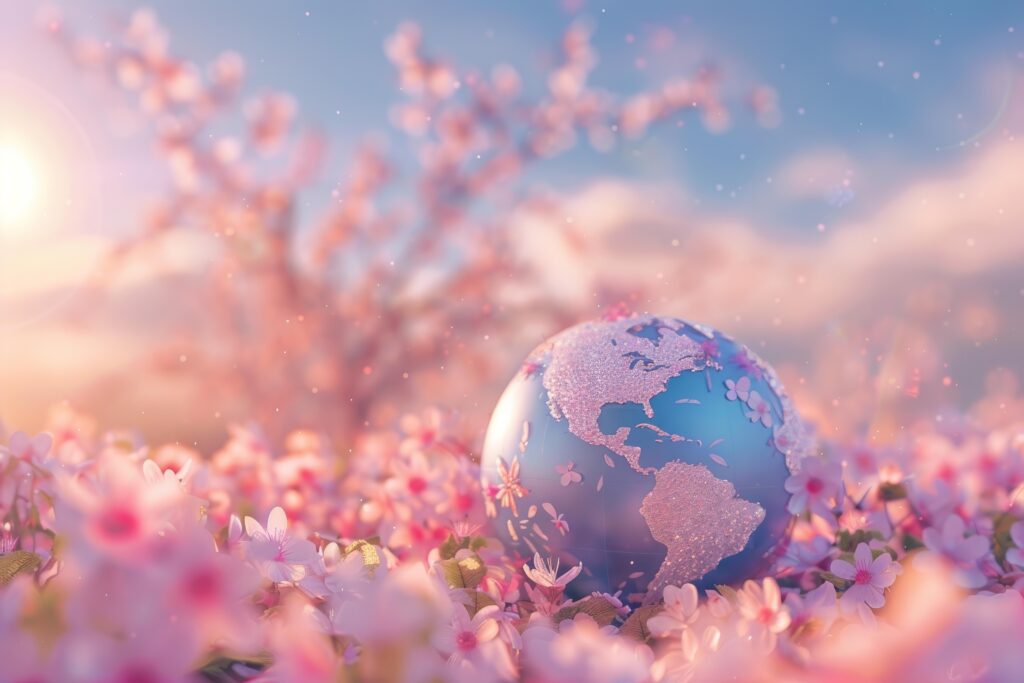
The International Peace Charter reaffirms the universal truth that peace is not merely the absence of war but the presence of fairness, opportunity, and hope in every corner of the world. Together, we will create a Legacy of World Unity, Peace and Happiness for Current and Generations to Come.
Peace is Not A Factor But A Natural Outcome of Spirituality, Divine Love (Opening of the Heart Chakra through Divine Music), Divine Union (Union of Divine Energy (Kali) and Divine Consciousness (Shiva) – Meditation), and Reverence to Nature and Mother Earth through Sustainable Environmental Action.
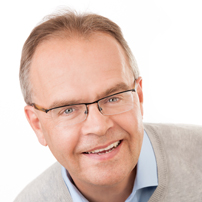
Miles Craig is the Founder and CEO of International Peace Charter IPC).
Miles is a spiritual Canadian citizen who lives in Victoria, British Columbia. Miles has a background in business and charitable work.
Miles holds a Commerce Degree from the University of Manitoba. Over a 20-year period, Miles served as an executive of Craig Media, a private family-owned television and radio company in Canada. Miles also held an executive position in another family-owned company , Craig Wireless Systems. Craig Wireless pioneered a digital wireless cable system in Manitoba and later acquired wireless spectrum licenses in countries throughout the world.
In the last 20 years, Miles has been involved in charitable work. Miles founded a poverty charity in the US and an alcohol and drug prevention charity in Victoria, Canada. Both registered charities had a national vision and national importance.
Miles considers himself to be a problem solver. He believes that while the problems of the world are complex, the solutions are simple and within our grasp. Miles is passionate about world peace.
Miles believes that world peace can be created by following the principles of the International Peace Charter, a simple and comprehensive charter.
Meditation by citizens throughout the world is key to creating world peace. Meditation raises individual and collective consciousness within society. At an individual level, this allows individual peace or peace within. Meditation within a group of people has a calming effect on the rest of the population. Research has proven that this can reduce crime and conflict within society. Meditation ultimately helps in raising the Individual and Collective Consciousness, Peace With In and in Creating a Peaceful and Happy World, Peace With Out - Miles Craig


PriyankaKrishna KALIHARIOM is the Executive Director of International Peace Charter (IPC).
PriyankaKrishna KALIHARIOM (Pronoun Whole) is a spiritual soul and has a Divine Purpose of Leading Spirituality, Meditation and Divine Music through Education for Sustainable Climate Action in Reverence to Nature and Mother Earth, Mental Health, Social Justice, Compassion, Unity, Peace and Happiness in the World.
She holds Masters of Global Management from Royal Roads University (RRU), Victoria, British Columbia, Canada. Her Sacred work is a medium to take Aligned Action for the Divine Purpose contributing to a Healthy, Peaceful and Happy Community and the World.
“Infinite Divine Purity, Light, Love, Unity, Oneness, Prosperity, Abundance, Peace, Happiness, Joy, Bliss, Magic and Heaven On Earth fill my Life and the Whole World to bring Magical Peace, Happiness and Serenity. Unity and Peace and Our commitment to World Unity and Peace is Embodied within me, and I invite all of the Humanity to also let Peace be within them through Education, Spirituality, Divine Love (Divine Music), Divine Union (Union of Universal Divine Energy (Kali) and Universal Divine Consciousness (Shiva) - Meditation), and Reverence to Nature and Mother Earth through Sustainable Environmental Action.
To experience peace on the outside and around us, it is important to first find peace on the inside - Peace Within Peace With Out and Around” - PriyankaKrishna KALIHARIOM
Education, Spirituality, Divine Love (Divine Music), Divine Union (Union of Universal Divine Energy (Kali) and Universal Divine Consciousness (Shiva) - Meditation), and Reverence to Nature and Mother Earth through Sustainable Environmental Action are the Keys to World Magic – World Unity, Peace and Happiness raising the Individual and Collective Consciousness of Humanity and Mother Earth as we all are Interconnected.
Join the Spiritual movement now to manifest a New United, Compassionate, Peaceful and Happy World by the way we Think, the way we Feel, and in all we Do.
“Peace and Happiness is Here and Now, True peace and happiness begins with in each of us. World Peace Through Inner Peace - It is Time for the Humanity to Embrace the Power of Love and Not the Love of Power and Experience Joy, Bliss, Peace, Happiness, Magic and Heaven On Earth” - PriyankaKrishna KALIHARIOM




The Problem
We have had a global war culture. Many of our leaders have had a war mentality where power and control were an important part of governing.
The world has an overabundance of military weapons, both conventional and nuclear. The total world military expenditures in 2023 were $2.4 Trillion. The world economy is predicated on the manufacture and sale of military weapons. We are led to believe that the investment in military weapons acts as a deterrent to conflict. To the contrary, the more we spend on military, the more dangerous the world becomes.
The world has an institutional problem with the United Nations. While the UN has contributed towards peace, The UN has also fallen short. The UN has not been able to achieve its goal of world peace.
Veto power of the permanent members, US, Russia and China means that action can be blocked even when there is consensus among member states. Since the UN was formed in 1945, 80 years ago we have had over 250 wars and conflicts and 20 to 25 million deaths.
Also, all UN member states are not a part of International Criminal Courts (ICC) including US. ICC holds the countries accountable and Focus on prosecuting genocide, war crimes, crimes against humanity, and the crime of aggression.
The UN has not been successful in mediating wars. The most recent examples are the Ukraine War and the Gaza War.
The IPC is proposing a new international peace committee consisting of world citizens with the goal of mediating current conflicts through adherence to the principles of the International Peace Charter.
World peace requires responsible and mature leadership from the leaders of every country.
The countries of the world are lacking leadership of women. We need more women in leadership positions for compassion and empathy. It has to be the Politics of the Heart from both men and women.
Wars are precipitated by an overabundance of military weapons, both conventional and nuclear. The total world military expenditures in 2023 were $2.4 trillion. Here is a brief overview of military expenditures by country:
| USA: $916 Billion* | China: $296 Billion |
| Russia: $109 Billion | India: $83.6 Billion |
| Canada: $41 Billion |
*Representing 40% of the total world military expenditures
There are misconceptions and a lack of education about the benefits of military expenditures. Increased military spending makes the world more dangers, not less dangerous. Restraint in military expenditures is essential for world peace.
The Solution
Miles’ vision is for international unity and peace movement through the 11 Charter Principles and the connecting power of the internet. Approximately 70% of the Earth’s population (about 5.5 billion people), are internet users. Miles proposes that citizens of the world send messages to their leaders in support of peace and solidarity. The power of peaceful protest, and prayer cannot be underestimated. Prayer being both the oral and written intervention from God.
International Peace Charter (IPC) envisions a national peace movement beginning in Canada and eventually extending throughout the world. The peace movement will be initiated through the utilization of the World Wide Web which unites most citizens and countries of the world. IPC would like Canada to lead the world by becoming the first country in the world to ratify the International Peace Charter.
IPC is currently working on the Ratification of the Charter, a declaration of World Peace by engaging directly with the federal government leaders of Canada and running a national grassroots paper petition campaign. Ratification of the Charter by the government will implement 11 Charter Principles into policy, offering a unified framework for moving towards Peace.
The Goal is for the Government of Canada to ratify the Charter in 2026. Once ratified in Canada, the Spiritual Movement will Go Global for Peace in the World.
It is a citizen-led, non-partisan Sacred Work calling on governments to renounce war, commit to dialogue, and invest in human well-being over military escalation, providing a clear path towards a brighter, more compassionate and a peaceful world for all.
The Divine Mission of International Peace Charter is Peace On Mother Earth by Raising the Collective Consciousness through Spirituality, Meditation and Divine Music for the Greater Good of All.
A citizen-led, non-partisan movement to ratify the Charter and bring Peace on Mother Earth — beginning in Canada, going global.